Sensing and User Modeling
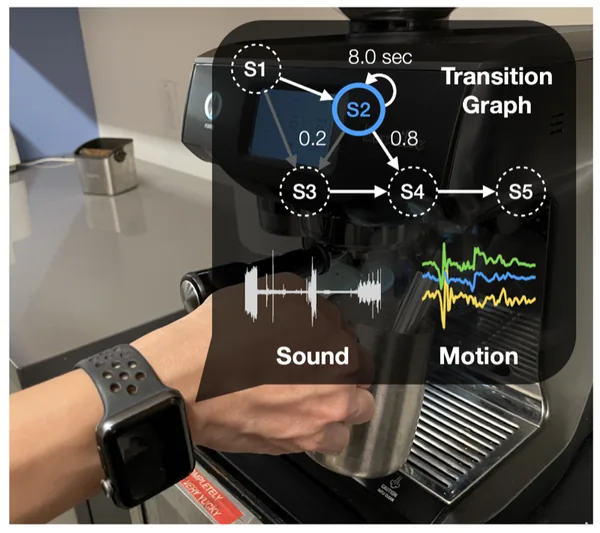
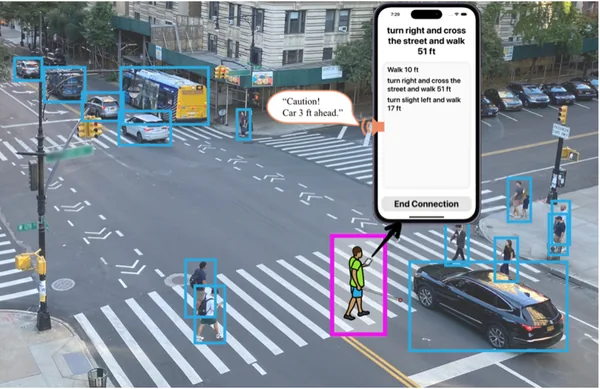
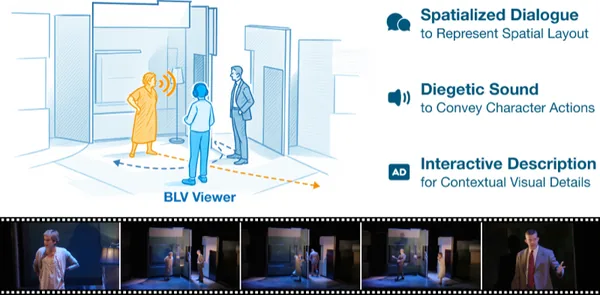
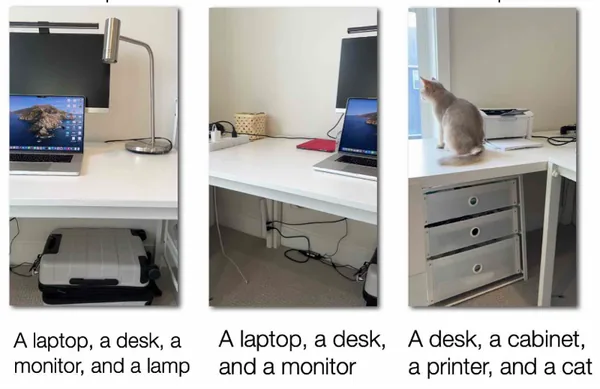
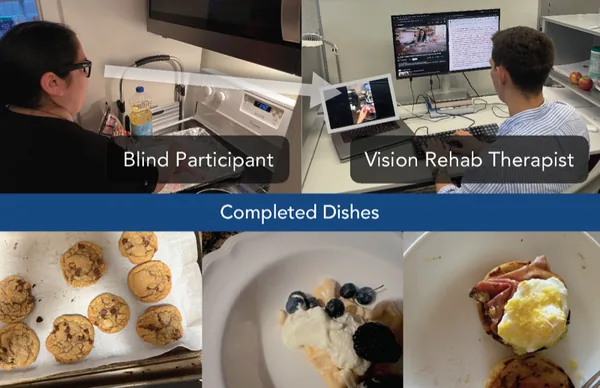
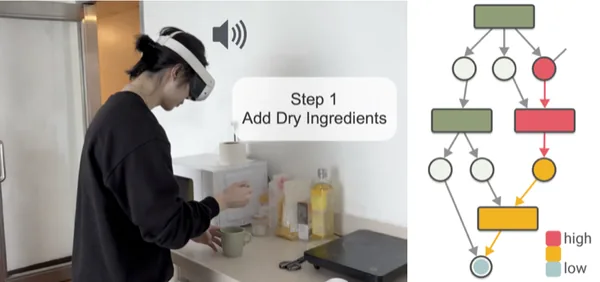
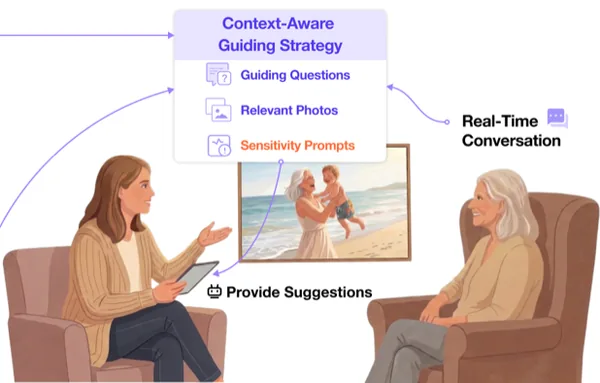
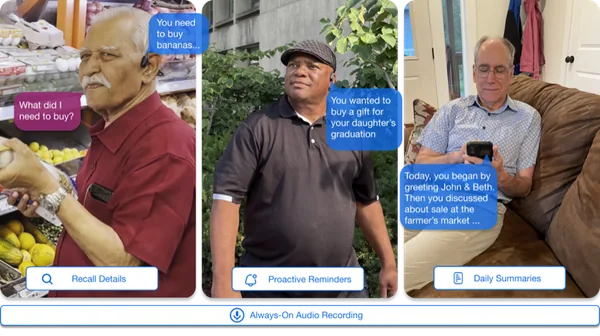
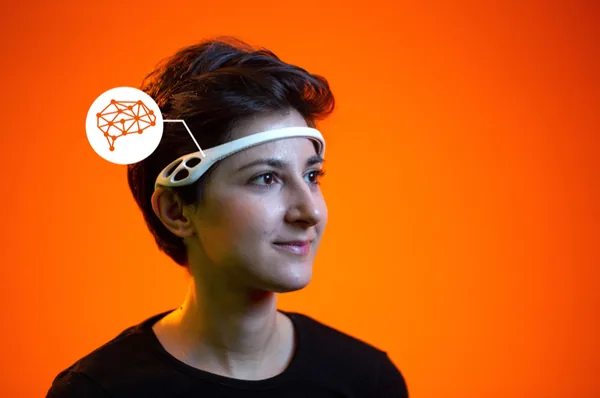
How can CPS robustly sense, interpret, and model users across diverse real-world contexts?
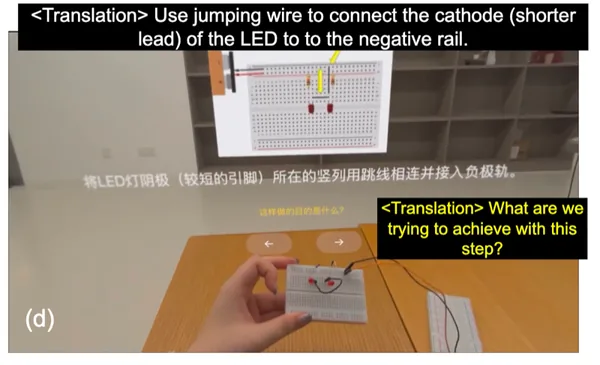
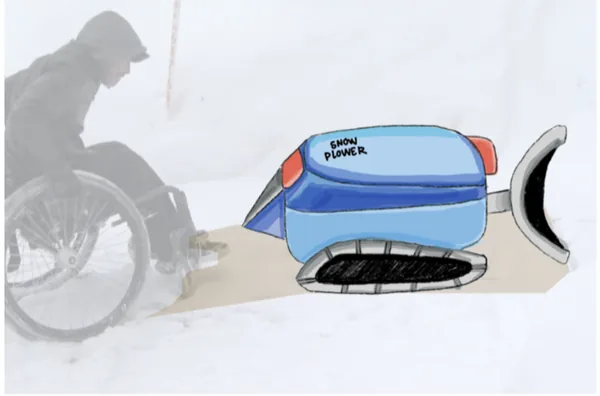
The convergence of wearables, robotics, extended reality, and smart environments is expanding the design space for cyber-physical systems (CPS) that support and augment human abilities in everyday life. By sensing real-world contexts, modeling users’ needs, and delivering situated assistance, these systems can enhance capabilities such as perception, memory, learning, and mobility. They also offer new ways to address long-standing accessibility barriers in areas such as independent living, navigation, and social participation.
This workshop brings together researchers and practitioners from HCI, AI, wearables, robotics, XR, smart environments, accessibility, and ability augmentation to examine shared strategies and challenges for designing accessibility- and ability-centered CPS. Through keynotes, panel discussions, interactive demos, and mixed-group design activities, participants will identify emerging design principles, surface shared challenges, and chart future directions for CPS that support and augment human abilities in everyday life. The organizing committee will synthesize key workshop outcomes into a public report and maintain a participant communication channel to support continued exchange beyond the event.
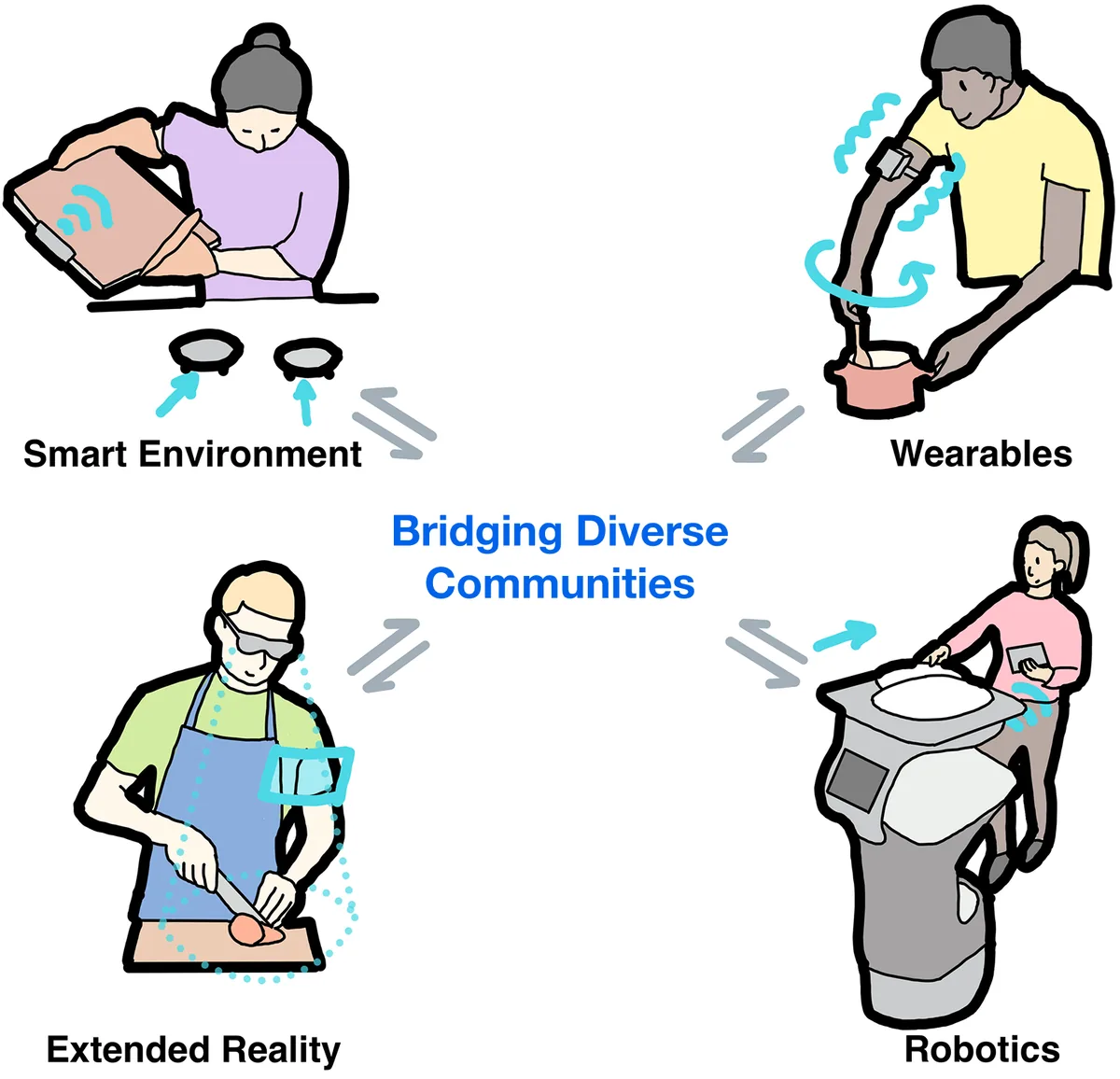
How can CPS robustly sense, interpret, and model users across diverse real-world contexts?
How can CPS provide situated assistance while preserving user agency during daily tasks?
How can CPS adapt to diverse user needs, abilities, preferences, and physical environments?
How should CPS be evaluated to assess real-world usability and long-term impact?
How can CPS protect privacy, safety, and bystander consent in everyday physical spaces?
9:00 - 9:30
9:30 - 10:15
10:15 - 11:00
11:00 - 12:00
12:00 - 13:45
13:45 - 14:45
14:45 - 15:30
15:30 - 16:15
16:15 - 17:00
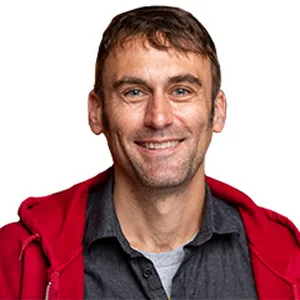
Associate Professor at Carnegie Mellon University
Jeffrey P. Bigham is an Associate Professor in the Human-Computer Interaction and Language Technologies Institutes in the School of Computer Science at Carnegie Mellon University. He also leads a Human-Centered Machine Intelligence Group at Apple, which works on research and applied projects in Accessibility, AI Fairness, ML Design, Learning Sciences, InfoVis, and Computational Understanding of UIs.
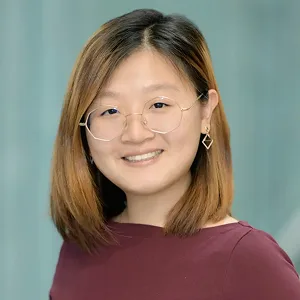
Assistant Professor at University of Wisconsin-Madison
Yuhang Zhao is an Assistant Professor in Computer Sciences at the University of Wisconsin-Madison. Her research interests include Human-Computer Interaction (HCI), accessibility, augmented and virtual reality (AR/VR), and AI-powered interactive systems. She designs and builds embodied intelligence for accessibility: AI-powered XR systems that interpret user context and behavior, and adaptively enhance human abilities.
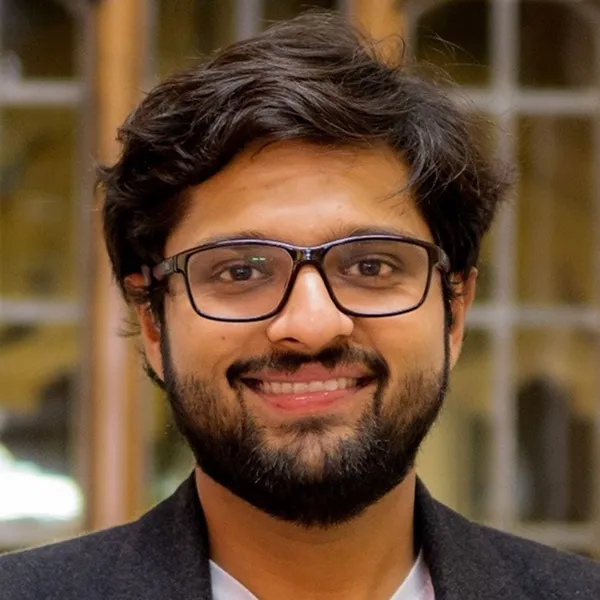
Assistant Professor at University of Michigan
Dhruv Jain is an Assistant Professor of Computer Science and Engineering at the University of Michigan, also affiliated with the School of Information and Michigan Medicine. He builds and studies human-AI systems for accessibility across three research pillars: (1) AI for Sound Accessibility; (2) Accessible AI for the Future of Work; and (3) Reliability in Real-World Accessible AI.
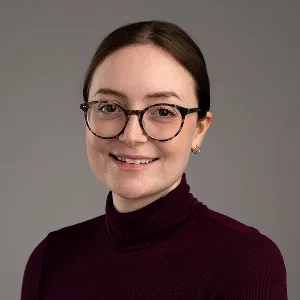
Assistant Professor, Tufts University
AI-based assistive technologies, DIY technology, and AR/VR
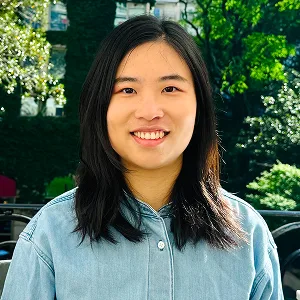
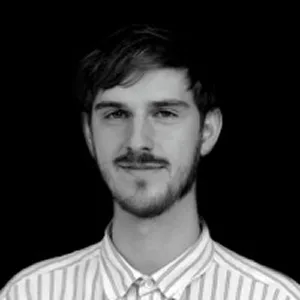

Humboldt Research Fellow, University of Stuttgart
Artificial Intelligence and Cognitive Science
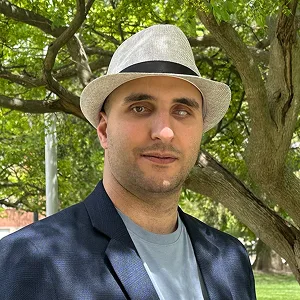
PhD Candidate, University of Illinois Urbana-Champaign
navigation technologies for blind and low-vision explorers
The attendees below have kindly consented to sharing a brief introduction. We hope these introductions help bridge diverse communities and foster meaningful connections.
My research sits at the intersection of human-AI interaction and AI for social good. I am broadly interested in how intelligent systems can be designed to preserve human agency and critical thinking—particularly in contexts where AI outputs carry uncertainty or where users are underrepresented in default interface design. This includes questions of how to surface model confidence in ways that build rather than undermine user trust, how adaptive AI systems can serve diverse user needs without requiring explicit configuration, and how the internal dynamics of large language models (such as reasoning depth and hidden-state convergence) relate to the transparency and reliability that end-users experience.
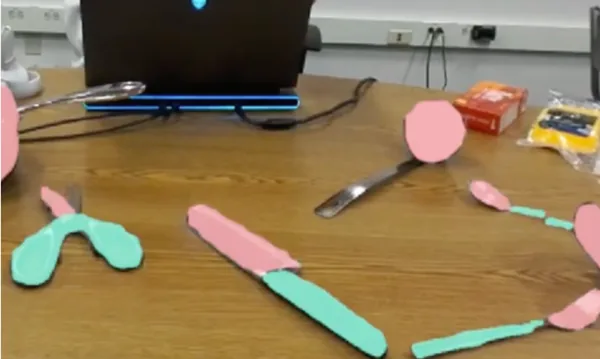
My research interests lie in augmented reality and accessibility. I design and develop AR technology to automatically recognize surrounding visual information that cannot be easily perceived by people with low vision, and generate suitable multi-modal feedback to enhance their perceptual abilities in various daily tasks.
I work on Assistance Systems for Skill Acquisition.
I work on accessibility technology for people with visual impairments in outdoor sports. My project SnowEcho is a blind skiing assistance system that conveys obstacles and course boundaries through spatial audio, allowing skiers to perceive traversable free space and choose their own line rather than following a prescribed route.
I challenge outcome-driven "access" and develop a process-oriented frame: Developmental Flourishing. It reframes assistive technologies not as instruments for reaching task outcomes, but as a means through which blind and low-vision individuals can explore, create, and construct meaning from their experiences. I share an analysis of sensing and AI systems, discussing the extent to which they align with and augment blind people’s perceptual and cognitive processes, while highlighting persistent challenges and future directions.
I am broadly interested in making physical experiences accessible. My past work has focused on making dance instruction accessible for blind and low-vision learners using multimodal cues. I have also collaborated on Vid2Coach, a wearable task assistant for BLV individuals, and on designing accessible communication for household robots. This workshop is strongly aligned with my interest in physical systems for accessibility, and I am excited to connect with other researchers about these systems, both within and outside accessibility contexts.
I am broadly interested in Artificial Intelligence and Human-Computer Interaction, particularly with applications in accessibility for blind users. Recently, I built two AI tools, CodeA11y and iTagPDF, that help automatically produce and preserve accessibility metadata for websites and PDFs, respectively.
Accessibility of interfaces through computational methods.
My research lies at the intersection of ubiquitous computing, mobile sensing, human-centered computing, and responsible AI. My work advances privacy-aware sensing systems for health and wellness.
Economics, Consumer Behavior, and Market Psychology.
I am a researcher on the MIND team at Apple. I received my CS Ph.D. student from Stony Brook University, working with Shubham Jain at the intersection of Ubiquitous Sensing and Health Systems in the PiCASSo lab. I have worked on around-the-ear devices. I spent the summer of 2025 with Microsoft Research, Redmond, in the Networking Research Group. My research has been awarded by Stony Brook University and covered by The Economic Times, Outlook, Financial Express, and The Hindu.
I study and design AI and AR interfaces to explore how computational tools can become more transparent, malleable, and dynamic, as well as how they relate to the broader environments they inhabit, primarily in the contexts of accessibility, creativity support, and sensemaking. I believe in empowering people to engage with and through technology in more embodied, pluralistic, and liberatory ways.
13 more attendees (chose not to disclose their information)
* equal contributions
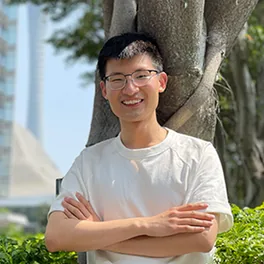
HKUST · MIT Media Lab

Carnegie Mellon University
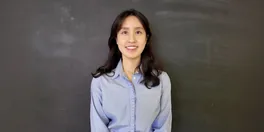
UC Berkeley

University of Rochester

University of Rochester
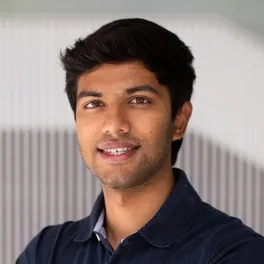
MIT Media Lab
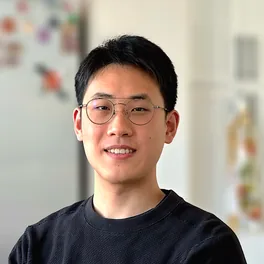
University of Michigan
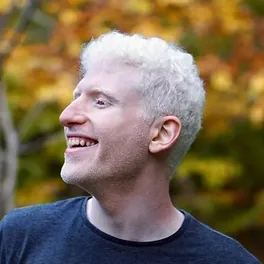
University of Tokyo
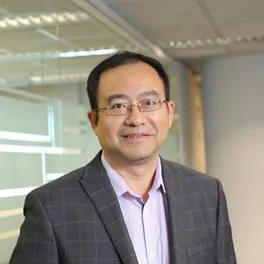
HKUST

UC Berkeley
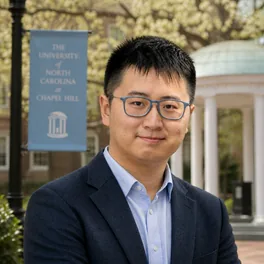
UNC-Chapel Hill
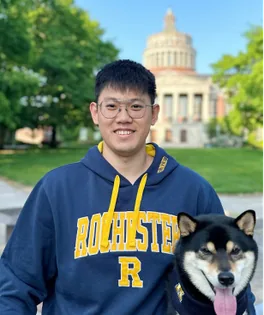
University of Rochester
Columbia University

MIT Media Lab
If you have any accessibility needs, please contact us. We will do our best to accommodate your needs.
This workshop builds on the Accessible Cyber-Physical Activities workshop at UIST 2025.